

Hey there, fellow machining enthusiasts! As a supplier of Spherical Turning Lathes, I've seen firsthand how crucial it is to choose the right coolant for these amazing machines. In this blog post, I'm gonna walk you through everything you need to know about picking the perfect coolant for your spherical turning lathe.
Why Coolant Matters
First off, let's talk about why coolant is so important. When you're using a Spherical Turning Lathe Machine to shape spherical parts, there's a whole lot of friction going on. The cutting tool rubs against the workpiece, generating a ton of heat. If that heat isn't managed properly, it can cause all sorts of problems.
For starters, excessive heat can damage the cutting tool. It can make the tool dull faster, which means you'll have to replace it more often. And that's not cheap! Plus, a dull tool won't cut as cleanly, which can lead to poor surface finishes on your parts.
Heat can also cause the workpiece to deform. If the metal gets too hot, it can expand and warp, throwing off the dimensions of your part. That's a big no-no, especially if you're making precision spherical components.
Coolant helps to solve these problems by dissipating heat. It acts like a thermal blanket, keeping the cutting zone at a reasonable temperature. This not only extends the life of your cutting tools but also ensures that your parts are made to the right specifications.

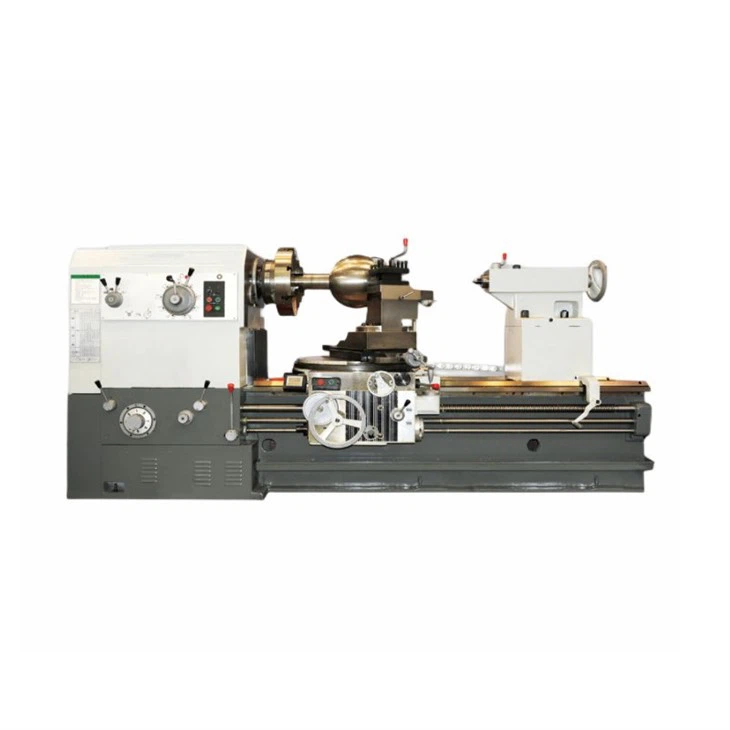
Types of Coolants
There are several types of coolants available, and each has its own pros and cons. Let's take a look at the most common ones:
1. Water-Based Coolants
Water-based coolants are by far the most popular choice for machining applications. They're relatively inexpensive, easy to maintain, and have excellent cooling properties. Water-based coolants come in two main types: soluble oils and synthetic coolants.
- Soluble Oils: These are a mixture of oil and water, with an emulsifier added to keep the oil droplets suspended in the water. Soluble oils provide good lubrication and cooling, and they also have some rust prevention properties. They're a great all-around choice for most machining operations.
- Synthetic Coolants: Synthetic coolants are made from chemicals rather than oil. They offer superior cooling performance and are often more environmentally friendly than soluble oils. Synthetic coolants also tend to have better rust prevention and anti-microbial properties, which can help to extend the life of the coolant.
2. Straight Oils
Straight oils are pure oils, without any water added. They're known for their excellent lubrication properties, which make them ideal for heavy-duty machining operations. Straight oils are particularly good at reducing friction and wear on the cutting tool, which can result in longer tool life and better surface finishes.
However, straight oils have some drawbacks. They're more expensive than water-based coolants, and they can be messy to work with. They also have poor cooling properties compared to water-based coolants, so they're not the best choice for high-speed machining operations.
3. Semi-Synthetic Coolants
Semi-synthetic coolants are a hybrid of water-based and straight oils. They contain a small amount of oil, usually around 5-30%, along with water and other additives. Semi-synthetic coolants offer a good balance of lubrication and cooling performance, and they're often a good choice for general machining applications.
Factors to Consider When Choosing a Coolant
Now that you know the different types of coolants available, how do you choose the right one for your Spherical Lathe? Here are some factors to consider:
1. Material Being Machined
The type of material you're machining is one of the most important factors to consider when choosing a coolant. Different materials have different machining requirements, and some coolants are better suited for certain materials than others.
- Aluminum: Aluminum is a soft, lightweight metal that generates a lot of heat when machined. Water-based coolants are usually the best choice for aluminum machining, as they offer excellent cooling performance and can help to prevent built-up edge on the cutting tool.
- Steel: Steel is a harder, more dense metal than aluminum, and it requires more lubrication during machining. Straight oils or semi-synthetic coolants are often a good choice for steel machining, as they provide better lubrication and can help to reduce tool wear.
- Stainless Steel: Stainless steel is a corrosion-resistant metal that can be difficult to machine. It generates a lot of heat and can cause tool wear, so it's important to choose a coolant that offers good cooling and lubrication. Synthetic coolants or straight oils are often recommended for stainless steel machining.
2. Cutting Speed and Feed Rate
The cutting speed and feed rate of your machining operation also play a role in choosing the right coolant. Higher cutting speeds and feed rates generate more heat, which means you'll need a coolant with better cooling properties.
If you're running your Ball Turning Lathe at high speeds, a water-based coolant or a synthetic coolant may be the best choice. These coolants can dissipate heat quickly and keep the cutting zone at a reasonable temperature.
On the other hand, if you're running at lower speeds and using a heavier feed rate, a straight oil or a semi-synthetic coolant may be more appropriate. These coolants offer better lubrication, which can help to reduce friction and wear on the cutting tool.
3. Tool Material
The material of your cutting tool is another important factor to consider. Different tool materials have different heat resistance and wear characteristics, and some coolants are better suited for certain tool materials than others.
- High-Speed Steel (HSS): HSS is a common tool material that is relatively inexpensive and easy to sharpen. HSS tools can withstand moderate heat, but they can also be prone to wear. Water-based coolants or semi-synthetic coolants are often a good choice for HSS tools, as they provide good cooling and lubrication.
- Carbide: Carbide is a harder, more heat-resistant tool material than HSS. Carbide tools can withstand higher cutting speeds and feed rates, but they can also be more brittle. Synthetic coolants or straight oils are often recommended for carbide tools, as they offer better cooling and lubrication at high temperatures.
4. Environmental Considerations
Finally, it's important to consider the environmental impact of the coolant you choose. Some coolants can be harmful to the environment, so it's important to choose a coolant that is eco-friendly.
Water-based coolants are generally more environmentally friendly than straight oils, as they contain less oil and are easier to dispose of. Synthetic coolants are often even more eco-friendly, as they are made from chemicals rather than oil.
How to Maintain Your Coolant
Once you've chosen the right coolant for your spherical turning lathe, it's important to maintain it properly. Here are some tips to help you keep your coolant in good condition:
- Monitor the Concentration: The concentration of your coolant is important for its performance. Make sure to follow the manufacturer's recommendations for the correct concentration, and check it regularly using a refractometer.
- Keep the Coolant Clean: Contaminants such as chips, dirt, and bacteria can build up in your coolant over time, which can affect its performance. Make sure to filter your coolant regularly to remove these contaminants, and replace the coolant when it becomes too dirty.
- Control the pH: The pH of your coolant is also important for its performance. Most water-based coolants have a recommended pH range of 8-10. Make sure to test the pH of your coolant regularly and adjust it as needed using a pH adjuster.
- Store the Coolant Properly: When you're not using your coolant, make sure to store it in a cool, dry place. Avoid exposing the coolant to direct sunlight or extreme temperatures, as this can affect its performance.
Conclusion
Choosing the right coolant for your spherical turning lathe is crucial for its performance and the quality of your parts. By considering factors such as the material being machined, the cutting speed and feed rate, the tool material, and the environmental impact, you can choose a coolant that meets your specific needs.
If you have any questions about choosing the right coolant for your spherical turning lathe, or if you're interested in purchasing one of our high-quality Spherical Turning Lathe Machines, please don't hesitate to contact us. We're here to help you make the best choice for your machining needs.
References
- "Machining Handbook," 31st Edition, by Industrial Press Inc.
- "Coolant Selection Guide," by Tooling U-SME.