

Hey there! I'm a supplier of Manual Lathe Machines, and I know how frustrating it can be when your machine isn't working properly. In this blog, I'll share some tips on how to troubleshoot a manual lathe machine when it acts up.
1. Check the Power Supply
First things first, you gotta make sure the machine is getting power. Sounds obvious, right? But sometimes, the simplest things are the ones we overlook. Check if the power cord is plugged in securely. If it's a hard - wired machine, take a look at the circuit breaker or fuse box. A tripped breaker or a blown fuse can easily cut off the power to your lathe.
If you're using an extension cord, make sure it's in good condition and rated for the power requirements of your lathe. A damaged or under - rated extension cord can cause power fluctuations, which might lead to the machine not working as it should.
2. Inspect the Belt Drive System
The belt drive system is crucial for transferring power from the motor to the spindle of the lathe. Over time, belts can wear out, stretch, or come off their pulleys.
Start by visually inspecting the belts. Look for signs of cracks, fraying, or excessive wear. If the belts are worn out, they need to be replaced. You can usually find replacement belts at your local industrial supply store or order them online.
Also, check if the belts are properly tensioned. If they're too loose, they won't transfer power efficiently, and the machine might not run at the correct speed. If they're too tight, it can put extra stress on the motor and other components. To adjust the tension, you'll need to loosen the motor mounting bolts and move the motor to the appropriate position.
3. Examine the Spindle
The spindle is the heart of the lathe, and any issues with it can cause major problems. First, check if the spindle is rotating smoothly. If it's making strange noises or seems to be binding, there could be a problem.
One common issue is a build - up of chips, dirt, or debris in the spindle bearings. You can try cleaning the spindle area with a soft brush and some compressed air. If the problem persists, it might be a sign of a more serious bearing issue.
Another thing to check is the spindle speed. Make sure the speed settings on the lathe are correct for the material you're working with. Incorrect speed settings can lead to poor cutting performance and even damage to the workpiece.
4. Look at the Tool Post and Tooling
The tool post holds the cutting tools in place, and if it's not working properly, it can affect the quality of your cuts. Check if the tool post is securely fastened to the compound rest. A loose tool post can cause the tool to move during cutting, resulting in inaccurate cuts.

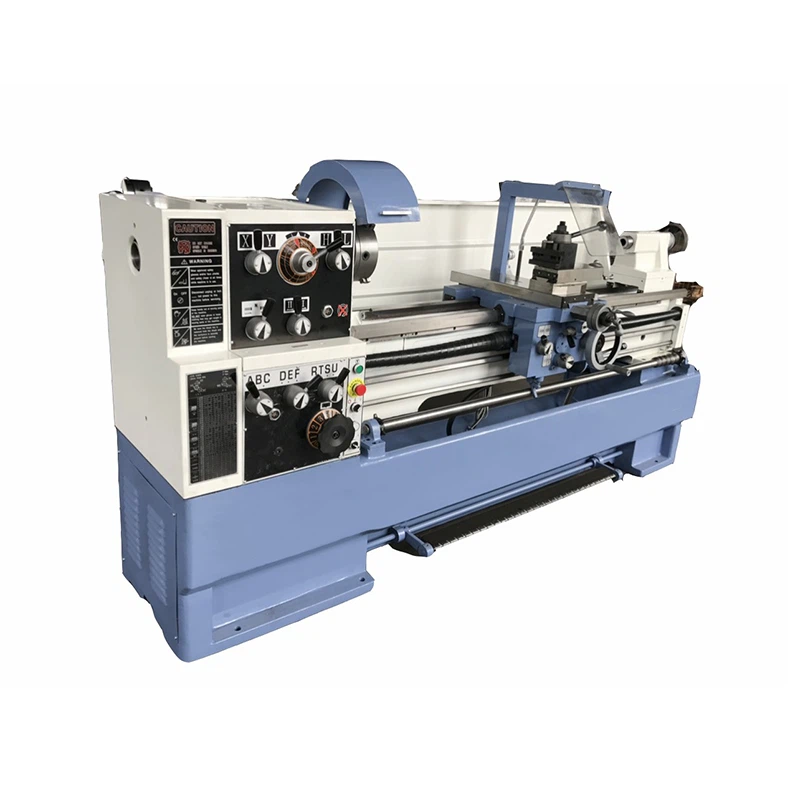
Inspect the cutting tools themselves. Dull or damaged tools can't cut effectively and can put extra stress on the machine. Replace any worn - out or damaged tools. Also, make sure the tools are properly aligned and set at the correct height.
5. Check the Feed Mechanism
The feed mechanism is responsible for moving the cutting tool along the workpiece. If the feed isn't working correctly, you might notice uneven cuts or the tool not advancing at all.
Start by checking the feed gears. Make sure they're properly engaged and not damaged. Sometimes, a gear can get stuck or stripped, which will prevent the feed from working.
Also, check the feed rate settings. Ensure that they're appropriate for the material and the type of cut you're making. Incorrect feed rate settings can lead to poor surface finish and even damage to the machine.
6. Examine the Coolant System (if applicable)
If your lathe has a coolant system, it's important to make sure it's working properly. Coolant helps to keep the cutting tools cool, reduces friction, and flushes away chips.
Check the coolant level in the reservoir. If it's low, refill it with the appropriate coolant. Also, check the coolant pump. Make sure it's running and that the coolant is being circulated properly through the system.
Inspect the coolant hoses for any signs of leaks or blockages. A blocked hose can prevent the coolant from reaching the cutting area, which can cause overheating and premature tool wear.
7. Look for Loose or Damaged Components
Go over the entire lathe and look for any loose or damaged components. Tighten any loose bolts, nuts, or screws. Check the bed of the lathe for any signs of damage or wear. A damaged bed can affect the accuracy of the machine.
Inspect the handwheels and levers. Make sure they're functioning smoothly and that they're not loose or damaged. If any of these components are not working correctly, it can make it difficult to operate the lathe.
Conclusion
Troubleshooting a manual lathe machine can seem like a daunting task, but by following these steps, you can often identify and fix the problem. Remember, if you're not comfortable working on the machine yourself, it's always a good idea to consult a professional.
At our company, we offer a wide range of manual lathe machines, including Manual Horizontal Lathe, Manual Universal Lathe Machine, and Manual Metal Lathe. If you're in the market for a new lathe or need replacement parts, feel free to reach out to us for more information and to start a purchase negotiation.
References
- "Manual Lathe Operation and Maintenance Guide" - Generic industrial handbook
- Online forums and communities for lathe operators and machinists